Stop Guessing Your Back Pain: Start Understanding It
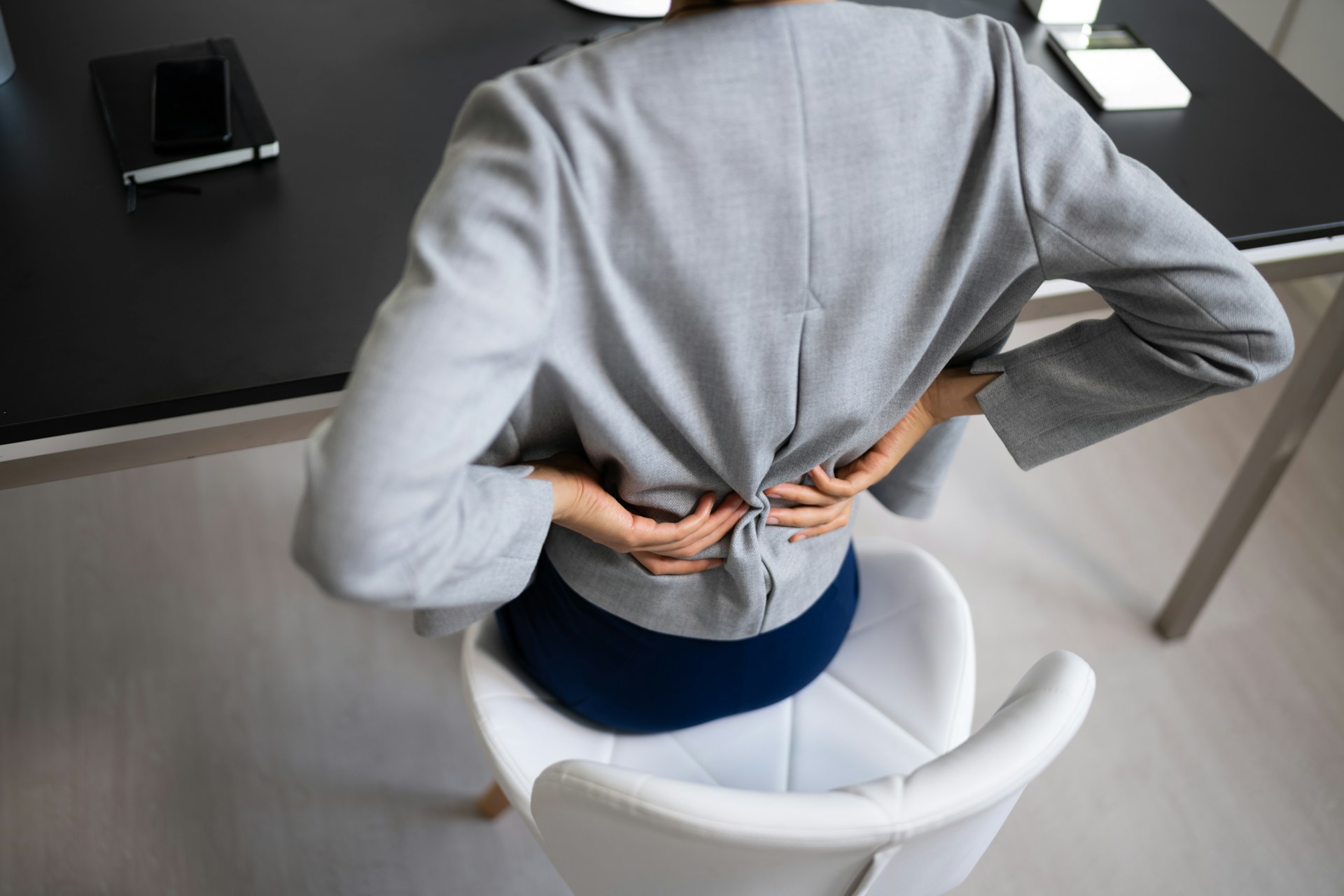
Back, hip, or leg pain can feel very confusing, especially when life in Bali is active. One week you are surfing or at yoga, the next week you are at a coworking space or on a scooter and your low back suddenly complains. You Google a few things and see words like herniated disc, facet joint, SI joint, and sciatica, and it all starts to blur together.
Most people try to guess what is wrong based only on where it hurts. That usually leads to more worry than clarity. At The Bali Wellness Company, our focus is to help you understand the underlying patterns instead. This guide will walk you through simple self-checks, when imaging may actually help, and how a more complete, nervous-system-based view can support long-term spine health in Bali.
How Your Spine Actually Works When You Move
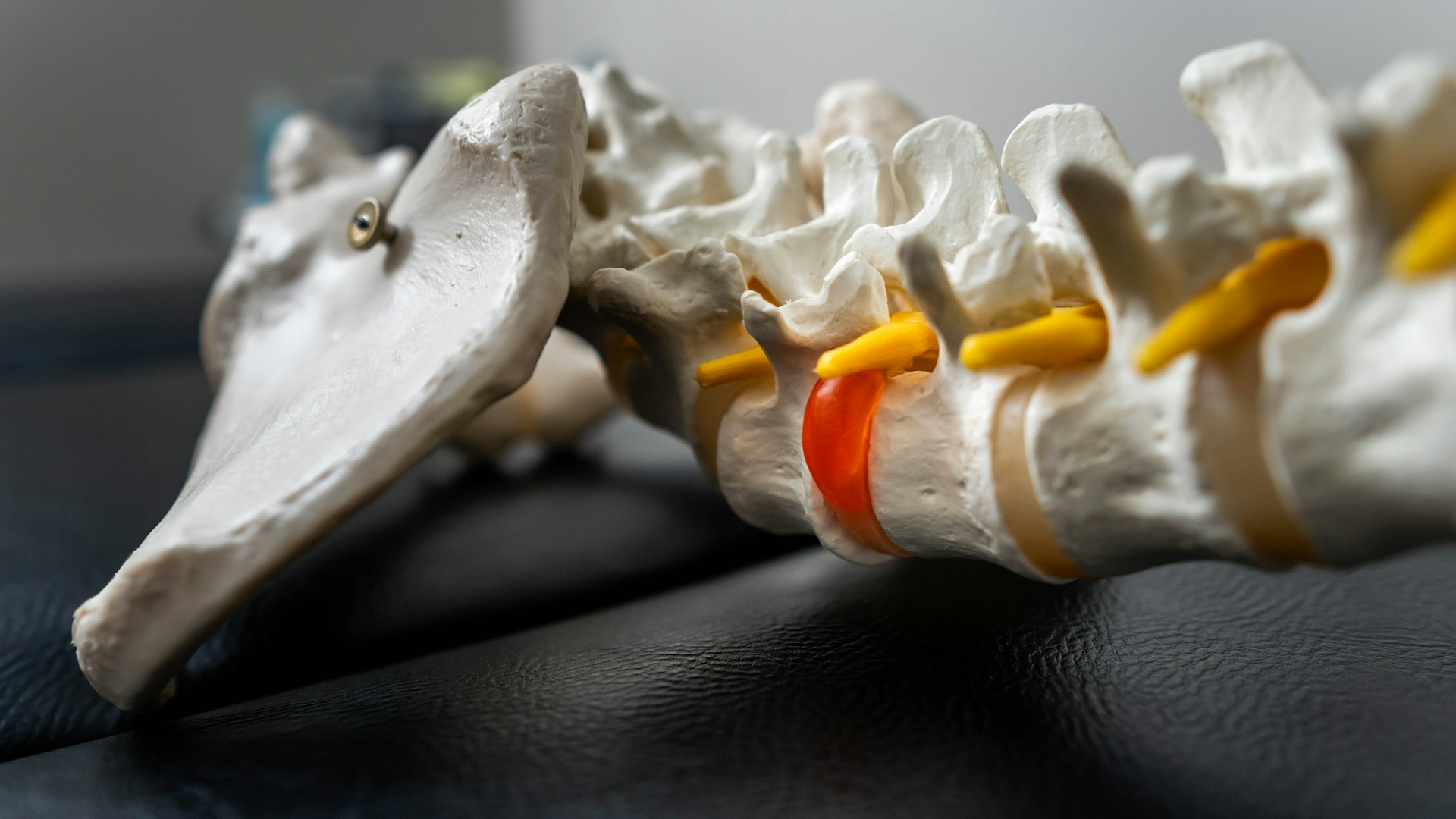
Your spine is not just a stack of bones. It is a living, moving system that shares load through several key parts:
- Vertebrae: the bones that form the spinal column
- Discs: soft cushions between vertebrae that absorb shock
- Facet joints: small joints at the back of each vertebra that guide motion
- SI joints: where the spine meets the pelvis on each side
When you sit at a laptop, the discs and small muscles work to hold you up. When you surf or practice yoga, the facet joints guide bending and twisting. When you walk, run, or ride a scooter, the SI joints help transfer force between legs, pelvis, and spine.
All of this is coordinated by your nervous system. Nerves help regulate muscles, posture, and balance. If the nervous system is overloaded or the spine is out of sync, your movement patterns can change. You might not feel pain at first, but you might move a little stiffly, lock certain joints, or overuse others. Over time this can stress discs, facet joints, or SI joints until pain finally appears.
From an evidence-informed perspective, most spine pain is multifactorial. The real issue is usually not just a single disc or joint. It is how your spine and nervous system are working together, or not, during all your daily Bali routines.
Herniated Disc vs. Facet Joint vs. SI Joint: Self-Check Clues
These self-check patterns are educational only and not a substitute for a professional assessment. They can, however, help you understand what might be going on so you can have a more informed discussion with your practitioner.
Herniated Disc Patterns
Herniated disc pain often shows up when a disc irritates or compresses a nerve. This can send pain along the path of that nerve, not just where the disc sits. Common clues described in clinical practice include:
- Sharp, shooting, or electric pain down a leg or arm
- Numbness or tingling, sometimes with weakness
- Pain worse with bending forward, sitting, or coughing
- One side usually much worse than the other
Simple self-check signs that may hint toward a disc issue:
- Pain increases when you bend forward, tie your shoes, or sit for long coworking sessions
- You feel better when walking or gently arching your back
- The leg pain is stronger than the low back pain
Imaging like an MRI can be useful if you notice red-flag features such as:
- Ongoing leg weakness or your leg feels like it might give way
- Loss of reflexes noticed by a professional
- Changes in bladder or bowel control
- Pain that does not improve at all over several weeks
Facet Joint Patterns
Facet joints are like guide rails that can become irritated from repeated extension, twisting, compression, or static posture. This often feels:
- Localized near the spine, often in the low back
- Aching or sharp, but mostly stays in the back
- Worse when arching back, standing too long, or twisting fast
- With little or no pain shooting down the leg
Self-check patterns for possible facet irritation:
- Pain when leaning back or standing up from a chair, with relief when bending a bit forward
- Stiffness after long scooter rides or standing at events
- Tender points just to the side of the spine when you press with your fingers
Imaging may or may not show irritated facet joints clearly. Many people have changes on MRI that do not match how they feel. This is why a movement-based and nervous-system-centered assessment can often be more helpful than focusing on every small scan finding.
SI Joint Patterns
SI joint pain blends hip, pelvis, and low back sensations. The SI joint can be stressed in people who sit a lot, ride scooters often, are very active, or are pregnant. The pattern often looks like:
- Deep ache near the dimples of the lower back
- Pain into the buttock or the side of the hip
- Pain that might go into the groin or thigh, but rarely below the knee
Self-check signs for possible SI joint involvement:
- Pain when walking uphill, climbing stairs, or standing on one leg
- Discomfort with long car or scooter rides
- Certain yoga poses like pigeon or deep twists trigger pain
- One side of the pelvis feels “off” or unstable during lunges or single-leg work
SI joint issues are easy to confuse with disc problems, especially if the pain feels deep and strong. That is why functional testing and a hands-on assessment, not just images, matter for long-term stability.
When to Rest, When to Test, and When to Get Imaging
It helps to have a simple, practical frame in mind that aligns with common clinical guidelines:
For Mild Pain That Is Slowly Improving:
- Change or reduce the movements that clearly provoke pain
- Keep gentle, comfortable movement going rather than complete rest
- Notice if things improve week by week, not hour by hour
For Pain That Needs Professional Assessment:
- Pain lasting longer than 2 to 4 weeks with little change
- Repeated flare-ups that keep returning
- Pain that limits your work, surfing, yoga, or normal walking
This is a good time to seek a detailed spine and nervous system assessment so you can address the root contributors, not just the current flare-up.
For Urgent Imaging or Medical Care, Watch for:
- Severe trauma like a fall from height or scooter crash with direct back impact
- Loss of bladder or bowel control
- Rapid, progressive weakness in a leg or arm
- Strong back pain with fever or feeling very unwell
Imaging such as MRI can be helpful in the right context, but many people without pain also have disc bulges or “wear and tear” on scans. The goal is not a perfect picture; it is a spine and nervous system that function well in real life.
Herniated Disc Treatment in Bali the Smart Way
When it comes to herniated disc treatment in Bali, an evidence-informed approach is not about chasing pain from one passive therapy to the next. What usually supports recovery best, according to current back-care principles, is:
- Graded movement that matches your current capacity
- Nervous system regulation so your body can relax and repair
- Postural retraining for laptop time, scooters, gym, and daily life
- Load management, so your spine gets the right amount of stress, not too much or too little
At The Bali Wellness Company, our work is powered by The Sync System™, which brings together Chiropractic 2.0, SpinalSync, CellSync, bioresonance (including Rife and scalar technology), and wellness-focused therapies in a coordinated way. The focus is gentle and precise, to support spinal alignment, nervous system function, mobility, and tissue recovery without forcing the body or promising quick fixes.
Our goal is to integrate advanced, non-invasive spinal care with a systems-based view of your health. For active expats, digital nomads, health-focused travelers, and local Indonesian clients, a coordinated plan usually beats piecemeal care. It can help you return to surfing, yoga, lifting, or focused work with more confidence and a lower chance of repeat flare-ups over time.
Upgrade Your Spine Health Plan in Bali
Use these self-check patterns as a guide, not a final diagnosis. The real value is catching dysfunction early, before pain becomes a constant background in your Bali life. When you understand the difference between disc, facet, and SI joint patterns, you can make more informed choices about rest, activity, and when to seek help.
At The Bali Wellness Company, we look at your spine, nervous system, and lifestyle together through The Sync System™. The aim is not just to calm the current episode, but to support long-term spinal health, prevention of future flare-ups, and overall nervous system resilience.
If your back pain is limiting your work, movement, or enjoyment of Bali, consider booking a comprehensive assessment. We will help you clarify what is driving your pain, outline a plan that fits your lifestyle, and guide you toward sustainable, long-term spinal health rather than short-term symptom relief.
Start Healing Your Herniated Disc With Personalized Care
If you are ready to address your back pain with a focused, evidence-based approach, we are here to help. At The Bali Wellness Company, we tailor every program to your condition, lifestyle, and recovery goals so you are never following a generic plan. Learn how our integrated therapies, guided by experienced clinicians, can support your recovery with herniated disc treatment in Bali. Reach out today so we can discuss your symptoms and outline a clear path forward.