Catch Sciatica Early Before It Stops Your Bali Life
Sciatica can slowly creep into your Bali life long before your leg starts screaming at you. It often starts with tiny changes in how you move, stand, and sit, while you keep surfing, flowing through yoga, and working long hours in coworking spaces or cafés. By the time there is strong, sharp pain down the leg, the deeper stress patterns have usually been building for a while.
On the island, many people live a very active routine. There are long scooter rides, regular flights in and out of Denpasar, and plenty of laptop time between ocean sessions and gym classes. All of this asks a lot from your spine, hips, and nervous system. When these systems start to struggle, they send early signals, but those signals are easy to blame on “tightness” or “getting older.”
We call these early signals hidden sciatica patterns. They can look like small postural shifts, limited mobility, or subtle nervous system stress that is easy to ignore. Our focus is to find and correct these patterns before they turn into a full flare-up. At The Bali Wellness Company, we use The Sync System and a long-term, science-informed approach to support your nervous system and spinal health so you can keep enjoying the island without being ruled by pain.
What Sciatica Really Is Beyond Just Leg Pain
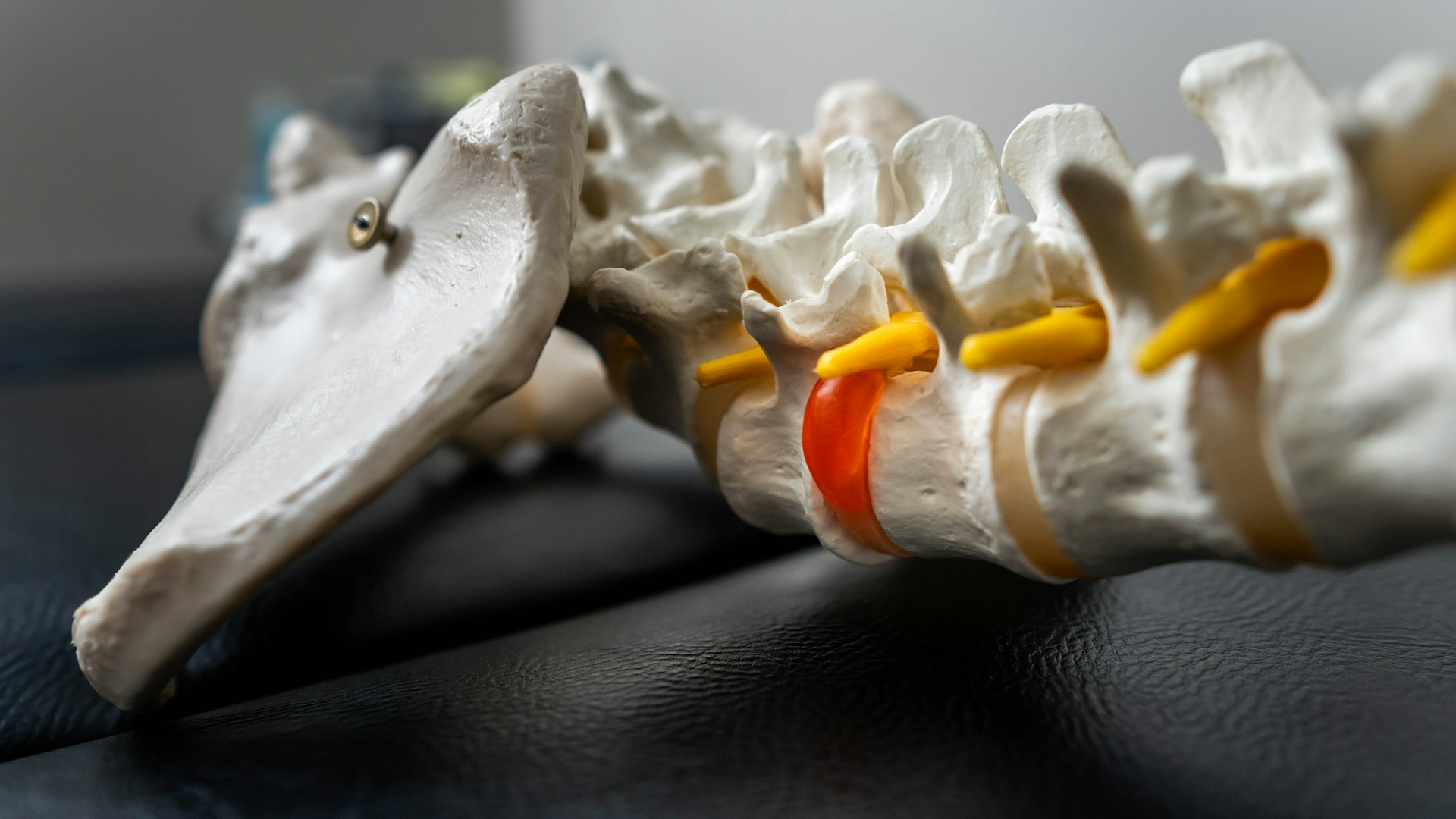
Many people use the word sciatica for any pain that goes from the back toward the leg. In reality, true sciatica means irritation or compression along the sciatic nerve pathway. This nerve starts in the lower spine, travels through the pelvis and glutes, and runs down the back of the leg toward the foot.
Not every ache down the leg is sciatica. Other common problems can feel similar, such as:
- Tightness in the piriformis muscle in the glute
- Hip joint irritation from overuse or older injuries
- Strain in the lower back muscles after heavy training
- Sacroiliac joint stress from twisting or falls
In sciatica, the nerve itself is annoyed. This can be related to the way your spine is stacked, how your discs are loading, how your pelvis is moving, and how your nervous system is handling daily stress. When these systems are not working well together, the sciatic nerve can become more sensitive.
This is why precise assessment matters. Good sciatica treatment in Bali does not guess based only on where it hurts. It looks at which structures are involved and how your nervous system is responding. When we understand the real source of irritation, care can be more targeted and long lasting.
Subtle Body Signals That Sciatica Is Building
Before there is strong, sharp leg pain, the body often whispers. These early hints can show up in posture and movement. People often notice, for example:
- One hip sitting higher in photos or in the mirror
- A pelvis that feels twisted when standing in line
- One foot turning out more when walking or in yoga
- Feeling “crooked” in surf stance or warrior poses
Functional warning signs can show up during daily Bali routines. You might feel:
- An urge to constantly shift on a scooter seat
- Difficulty sitting through a coworking session or café work block
- Stiffness and deep tiredness in the lower back after short flights
- “Tight hamstrings” that never change, no matter how much you stretch
Then there are early nerve-related signals. These can include light tingling in the glute or calf, a leg that feels weaker or more tired on stairs, or a dull deep ache that seems to move around and comes and goes. These are often not yet strong enough to stop your plans, so they are easy to ignore.
We see these patterns as your nervous system speaking quietly. Listening at this stage allows for proactive assessment instead of crisis care. Addressing them early can help reduce the chance that your body needs to shout with intense pain later on.
Nervous System Stressors That Quietly Feed Sciatica
Sciatica is not just a “back and leg” issue. Your nervous system plays a big role in how much stress your body can handle and how sensitive your sciatic nerve becomes. Life in Bali can be full, busy, and stimulating, especially for expats, digital nomads, and entrepreneurs.
Common patterns that load the nervous system include:
- Long laptop hours at cafés and coworking spaces with less-than-ideal chairs
- Stress from building a business, managing teams, or working across time zones
- Irregular movement routines, with hard training days and very sedentary days
- Poor or irregular sleep when work, social life, and travel all compete
Chronic stress tends to increase fight-or-flight (sympathetic) activity. In that state, the nervous system often becomes more reactive. The spine, discs, and sciatic nerve can feel this as more tension and sensitivity, even before clear pain is present.
Bali also has its own specific contributors. Long scooter rides on bumpy roads keep your lower spine and hips in one fixed position. Flip-flops can subtly change your gait and how your pelvis moves. New intense training programs, surf camps, or back-to-back yoga classes can load tissues that are not ready yet. Repeated short flights in and out of the island can add up in the lower back and hips if recovery is lacking.
A premium, integrative approach looks beyond the leg. It explores how you breathe, how your body manages stress, how you move through your day, and how your nervous system is adapting. This kind of view supports both prevention and care, not just symptom relief.
How the Sync System Maps Hidden Sciatica Patterns
At The Bali Wellness Company, we are powered by The Sync System, which combines chiropractic with oscillatory intelligence to create what we call Chiropractic 2.0. This includes SpinalSync, CellSync, and bioresonance technologies in one integrated process. The aim is to read the body’s patterns and support long-term spinal and nervous system health.
In practical terms, this means we use:
- Gentle spinal analysis to see how each segment is moving
- Posture and movement testing to spot asymmetries and restrictions
- Nervous system-focused assessment to understand how your body is handling load
Through this, we can often identify early sciatic load, even when pain is mild, vague, or inconsistent. Instead of forcing joints, we work with oscillatory intelligence and SpinalSync adjustments to support smoother communication along the spine and nerves.
Bioresonance, including Rife and Scalar technologies, is used in our system as a way to explore and support areas of cellular stress or inflammation. These layers can influence how the sciatic nerve and surrounding tissues behave. By bringing spinal alignment, cellular environment, and nervous system signaling into one map, we can see deeper patterns instead of chasing symptoms.
Our goal is not a quick fix. It is to understand the patterns that are feeding sciatic irritation, then support your body as it shifts toward better alignment, smoother movement, and greater nervous system balance over time.
Turning Insight Into Long-Term Sciatica Resilience in Bali
When it comes to sciatica treatment in Bali, we see care as a process that builds resilience, not just a response when you can no longer walk comfortably. At The Bali Wellness Company, a personalized sciatica-focused plan often blends SpinalSync adjustments, targeted nervous system regulation, corrective movement guidance, and supportive therapies from The Sync System.
This kind of approach aims for progressive, sustainable changes. As spinal mechanics, hip and pelvic function, and stress adaptability improve, many people find they can:
- Surf more freely, with better rotation and less post-session stiffness
- Enjoy yoga with more symmetry and confidence in deeper poses
- Work and create for longer without needing constant position changes
- Travel in and out of Bali with less fear of flare-ups after flights
We encourage you to treat early warning signs as useful information, not as something to fear. Small shifts in posture, movement, or nerve sensation are your body’s way of asking for support. Choosing to listen early is a high-performance decision, especially if you value your long-term capacity to live, move, and create fully on the island.
Sciatica resilience is not about being perfect. It is about giving your spine and nervous system the ongoing support they need so that life in Bali feels more open, stable, and enjoyable, both now and in the years to come.
Relieve Sciatica Pain And Restore Your Active Lifestyle
If you are ready to address the root causes of your pain with a personalized care plan, our team at The Bali Wellness Company is here to help. We combine evidence-based therapies, mindful movement, and tailored recovery strategies to support long-term relief. Learn how our integrated approach to sciatica treatment in Bali can help you move with confidence again. Reach out today so we can design a treatment path that supports your body, schedule, and goals.